The Sadbhavana program is aimed at promoting mutuality and goodwill through Humane Optimism and Public Engagement (HOPE). It begins with building empathy and humane values and awareness of constitutional values, particularly fraternity — the foundation of social harmony — and advances justice and equality through social empowerment and the practice of liberty via active citizenship.

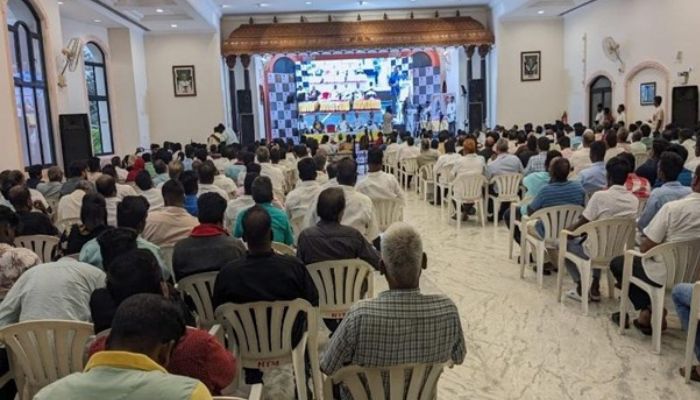
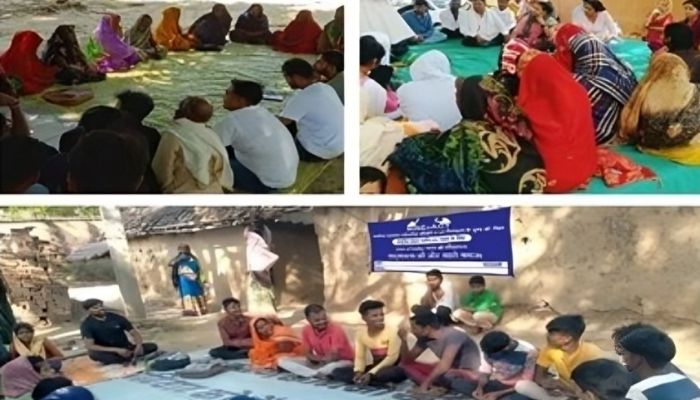
Launched on Rajiv Gandhi’s 77th birth anniversary on 20 August 2021, Rajiv Institute for Social Empowerment and Active Citizenship Training (RISE & ACT) build social empowerment and active citizenship through training on constitutional values, leadership and community problem-solving. The programme works across multiple states with women, youth and local groups—strengthening confidence, collective action and awareness of rights and responsibilities. Activities include workshops, large community meetings and youth-led initiatives that promote fraternity, equality and civic participation.
The Rajiv Sadbhavana Media Lab, established in 2019, documents and disseminates RGF’s programmes through films, interviews and digital content. With an archive of over 4,000 videos—including series on Living Gandhians, Pioneers in Development and environmental activism—the lab amplifies voices and stories that inspire empathy and constructive civic action. It also trains young people in filming and editing, puppet shows, enabling them to communicate social issues with clarity and purpose.

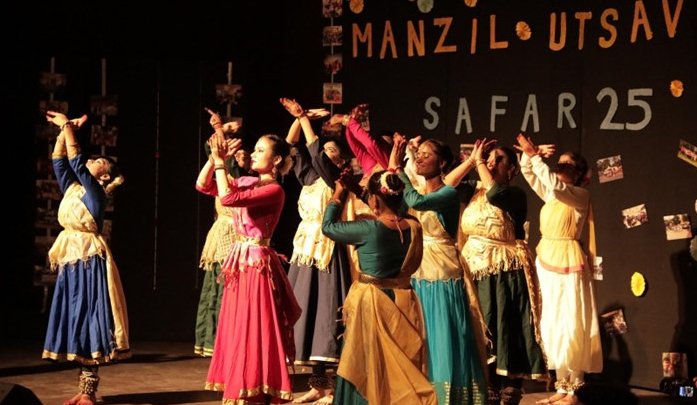
With support from the Jawahar Bhawan Trust, RGF hosts a range of cultural events—plays, musical performances, exhibitions, book releases and film screenings—that bring people together through dialogue and shared experience. These activities promote openness, harmony and civic spirit while making Jawahar Bhawan a vibrant space for art, culture and public engagement.
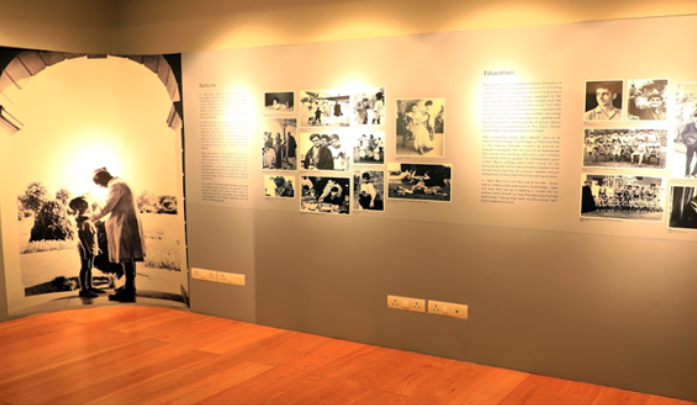
MARG archives and gallery bring Shri Rajiv Gandhi’s life, vision and contributions to the public through curated exhibitions and archival displays. The space highlights India’s technological and social advancements that he championed—such as computers and telecom—through thematic exhibitions. Regular events and public sessions at MARG help visitors, students and researchers engage with his ideas and their continuing relevance for India’s development.